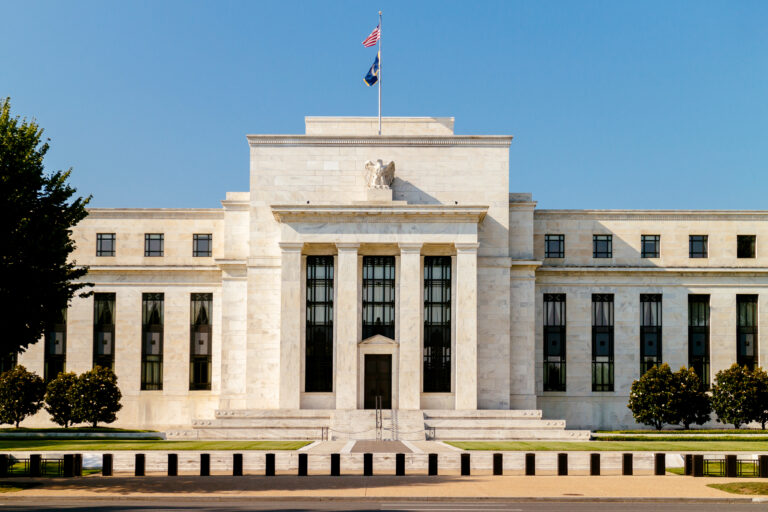

What’s the Tapering Talk Got to Do with Us?
Abstract
We do not foresee a meaningful rise in short-term interest rates even as the Fed may begin tapering bond purchases. The fed funds rate, the key factor affecting short-term rates, likely will not start to rise prior to mid-2015. Investors should continue to look for opportunities further up the yield curve with separate account solutions.
Introduction
Since early spring, financial markets have expected the Federal Reserve to pull back from its extraordinary asset purchases as the economy continues to recover. While Fed officials remain evasive about the timing of their next move, the talk of tapering, or the gradual reduction of the monthly purchases, has become a source of market volatility for equities and fixed income securities alike. After a long period of extraordinarily low interest rates, many market participants fear that any tapering of asset purchases may burst the bond market bubble, resulting in grave consequences.
As investors of cash and short-duration fixed income securities, we are keenly interested in this market development. Although long-term interest rates have backed up considerably, we remain skeptical of any significant upward move in short-term interest rates for the foreseeable future. We think investors at the short end of the yield curve, especially money market fund investors, likely will endure the near zero rate environment for another 18 to 24 months, at least.
In this commentary, we recount the genesis of the Fed’s taper talk and the evolution of the Fed’s “exceptionally low interest rate” language. We wish to point out the impact that the Fed’s asset purchases have had on short-term yields versus the impact of the Fed Funds rate. With the prospect of a lingering low-yield environment and potential SEC regulation on money market funds, separate account solutions may offer some relief for the uneasy cash investor.
DOWNLOAD FULL REPORT
Our research is for personal, non-commercial use only. You may not copy, distribute or modify content contained on this Website without prior written authorization from Capital Advisors Group. By viewing this Website and/or downloading its content, you agree to the Terms of Use.
Please click here for disclosure information: Our research is for personal, non-commercial use only. You may not copy, distribute or modify content contained on this Website without prior written authorization from Capital Advisors Group. By viewing this Website and/or downloading its content, you agree to the Terms of Use & Privacy Policy.