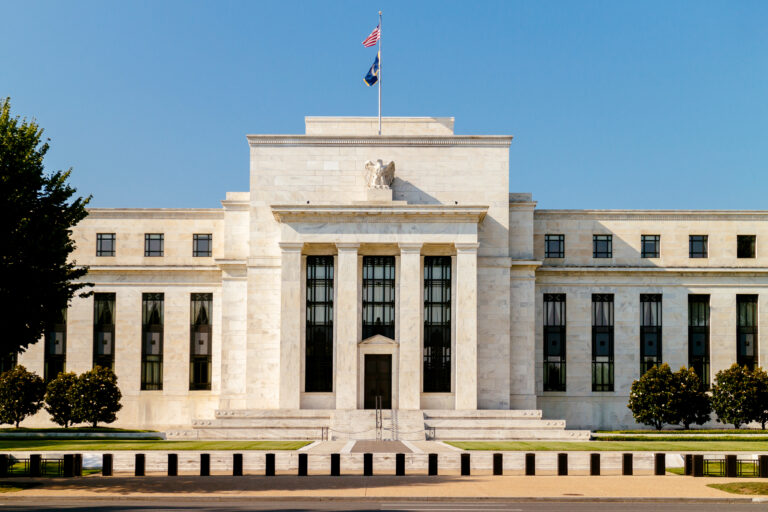
November Month-End Market Update
December Cut Probability Jumps Following Williams’ Remarks
During most of November, markets viewed the odds of a December rate cut as essentially a coin toss. At one point, dovish Fed speak pushed the probability of a December cut to only 30%. However, that sentiment shifted sharply on November 21st, when New York Fed President John Williams pushed expectations for a cut decisively higher, remarking, “I still see room for a further adjustment in the near term to the target range for the federal funds rate.”
Even though “near term” could refer to more than just the upcoming meeting, markets interpreted his comment as a signal about the outcome of the December meeting. As a result, the implied probability of a cut jumped to nearly 90%. It’s a striking reaction to a single policymaker’s comments, especially given the ongoing divide within the Committee, with doves pointing to a cooling labor market and hawks focused on lingering inflation pressures.

Hawks vs. Doves: Data Delays Keep the Fed Split
Adding to the Fed’s division is a run of mixed, and increasingly stale, economic data that offers talking points for both the hawks and doves. This week brings another wave of delayed releases, but the real challenge is that the most important labor market and inflation readings for October and November won’t arrive until after the December 10th FOMC meeting.
Here are some of the indicators contributing to the split within the Committee:

November Market Recap: Yields Rally, Equities Mixed
November saw a rally in yields as markets priced in a rising probability of a December rate cut. For most of the month, the two-year Treasury yield (see chart below) traded in a narrow range, but it moved lower following New York Fed President Williams’ comments.
Equity performance was mixed: the Dow and S&P 500 managed modest gains, while the Nasdaq posted its first monthly decline since March amid renewed concerns about an AI-driven bubble. In credit markets, investment-grade corporates were largely unchanged, whereas high-yield spreads continued to tighten.

Please click here for disclosure information: Our research is for personal, non-commercial use only. You may not copy, distribute or modify content contained on this Website without prior written authorization from Capital Advisors Group. By viewing this Website and/or downloading its content, you agree to the Terms of Use & Privacy Policy.