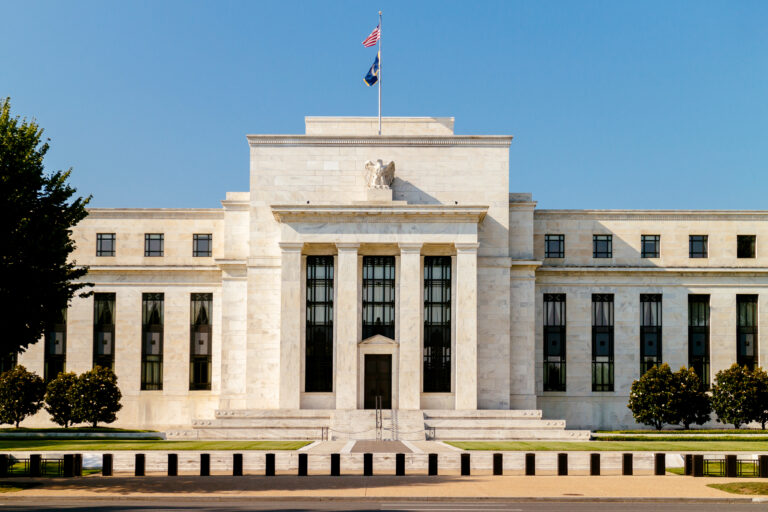
Ready or Not, Here Comes SOFR
When a multi-billion-dollar rate-fixing scandal in 2012 undermined confidence in LIBOR as the standard global benchmark for interest rates on short-term debt, regulators from the U.S. and U.K. started searching for a suitable replacement. A lot was riding on the choice: more than $200 trillion in floating-rate bonds, derivatives contracts, securitizations, and loans around the world are tied to the London Inter-Bank Overnight Rate. So, you can’t blame them for proceeding carefully.
Seven years later, LIBOR’s replacement has finally emerged. The Secured Overnight Financing Rate—SOFR—is being phased in as LIBOR diminishes in importance between now and 2021, at which time the LIBOR era most likely will officially end. In the meantime, however, institutional cash managers should begin preparing for important changes that may have a significant impact on their portfolios.
Why now? Because the transition has already begun, and because SOFR is not a one-to-one substitute for LIBOR. While both may serve the same benchmarking function, they are based on different data sets. LIBOR is the average rate that banks in London charge each other for overnight loans. SOFR, on the other hand, looks at an average of established rates on a range of securities that use U.S. Treasuries as collateral. Where LIBOR depends on daily reporting from private banks, SOFR reflects market rates set by actual transactions. Which means SOFR should face no threat of discontinuation or manipulation.
But it also means lenders and borrowers who currently base transactions on LIBOR need to adopt new frameworks for SOFR-based agreements. For instance, there’s no universal protocol for investors who want to transition legacy floating-rate notes based on LIBOR to an alternative benchmark rate. Instead, investors will need to go back and read the fine-print fallback language in individual contracts—assuming that language exists at all. And, because SOFR is a daily rate, there’s no easy way to replicate the rates LIBOR establishes for securities with durations longer than overnight. The New York Fed plans to publish forward-looking term rates that can be used in commercial SOFR futures contracts. But to be effective, they need to be based on an established, robust market for one- and three-month SOFR contracts—and those offerings have only just started to be issued.
Our August research report, Moving from LIBOR to SOFR, provides important background along with advice to help corporate cash investors safely manage the transition. Among other things, the report clearly explains the difference between the two benchmarks, especially when it comes to understanding what fallbacks there may or may not be in contracts currently based on LIBOR. And it points out where to look for any exposures or portfolio risk that may crop up.
Like it or not, SOFR is already here, and it won’t be long before LIBOR is almost entirely in the rear-view mirror. To stay on top of the transition, download and read our research report today.
Best Regards,
Ben Campbell
CEO
Please click here for disclosure information: Our research is for personal, non-commercial use only. You may not copy, distribute or modify content contained on this Website without prior written authorization from Capital Advisors Group. By viewing this Website and/or downloading its content, you agree to the Terms of Use & Privacy Policy.