
June Unemployment Report Shows Beginning of Recovery
States across the U.S. set multiple single day records for new COVID-19 cases this past week. On June 27th, Florida reported 9,500 new cases, breaking its own record for daily new cases, which it set just a day earlier. Driven primarily by Southern and Southwestern states, the surge has forced legislatures to act. Florida has closed bars, while Texas has paused plans to reopen certain businesses in an attempt to slow the spread of the virus. New York, New Jersey, and Connecticut have placed a 14-day quarantine requirement on all residents and visitors entering the tri-state area from states that have recently experienced a spike.
June Unemployment Report Shows Beginning of Recovery
The June unemployment report released on July 2nd showed an increase of 4.8 million jobs, and a decline in the unemployment rate to 11%, down from 13.3% in May. Initial jobless claims fell by 55,000 to 1.43 million last week, down from a high of almost 7 million in late March. The phased reopening of states supported job growth but the data was collected in mid-June and does not reflect the recent pullback in reopening of businesses in some states. The long-term effects on employment will depend on the duration and severity of the COVID-19 pandemic and how effectively businesses are able to reopen.
Fed Concerned About Effects of Second Wave
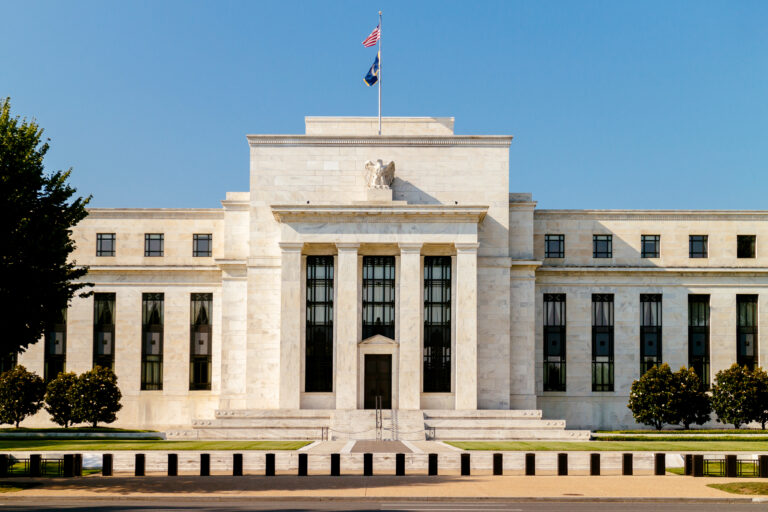
The minutes of the FOMC’s June meeting were released yesterday and revealed that Fed members expect a gradual recovery in the economy over the next several years but acknowledged that a less optimistic projection is “no less plausible than the baseline forecast.” This meeting occurred before the most recent surge in cases and Fed staff warned that “a second wave of the coronavirus outbreak, with another round of strict limitations on social interactions and business operations, was assumed to begin later this year, leading to a decrease in real GDP, a jump in the unemployment rate, and renewed downward pressure on inflation next year.” The summary noted that, “Participants stressed that measures taken in the areas of health-care policy and fiscal policy, together with actions by households and businesses, would shape the prospects for a prompt and timely return of the U.S. economy to more normal conditions.” In testimony before Congress this week, Chair Powell stressed that a “Full recovery is unlikely until people are confident that it is safe to re-engage in a broad range of activities.”
Market Yields
Treasury yields rose slightly in response to the employment report with the 10-yr Treasury yield increasing to 0.70% from 0.68% prior to the report. The 1-month Treasury bill yield sits at 0.12% while the Fed-sensitive 2-yr yield is currently at 0.15%, reflecting the expectation that the Fed funds rate will remain at zero for a prolonged period.
Please click here for disclosure information: Our research is for personal, non-commercial use only. You may not copy, distribute or modify content contained on this Website without prior written authorization from Capital Advisors Group. By viewing this Website and/or downloading its content, you agree to the Terms of Use & Privacy Policy.