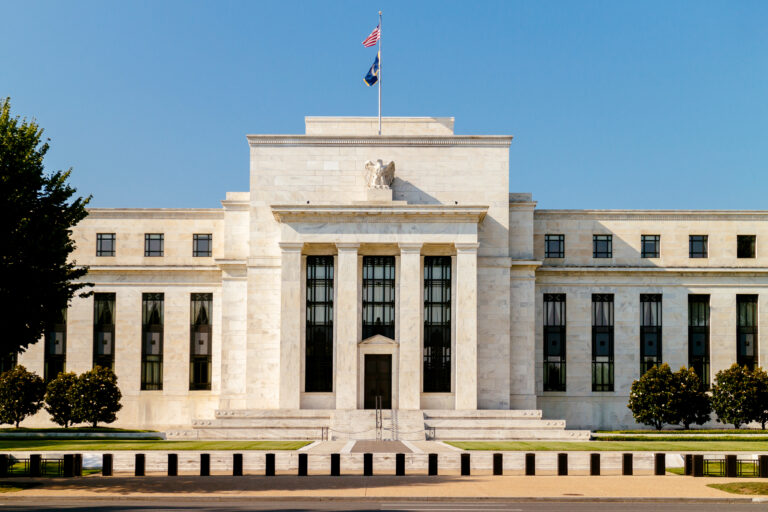
October Month-End Market Update
The Disconnect Between GDP and the Labor Market
When assessing the economy, GDP and employment are the two primary gauges of its strength—but lately, they’re telling very different stories.
GDP remains strong, with second-quarter growth at +3.8%, the best since 2023. The Atlanta Fed’s GDPNow model projects another solid +4% reading for Q3, fueled largely by surging investment in artificial intelligence.
Meanwhile, the labor market has softened. The most recent jobs report, which reported payrolls through August, showed a three-month average gain of just 29,000 jobs, the slowest pace since the pandemic. Amid the ongoing government shutdown, market participants are relying on alternative private-sector reports to gauge the health of the labor market. Companies such as UPS and Amazon have announced major layoffs, and the Fed’s Beige Book notes that more employers are trimming headcounts.
Despite slower hiring, the unemployment rate has held in the low 4% range, helped by a shrinking labor supply. Alternative data also offers some reassurance on the labor market: ADP’s new weekly report shows job gains equivalent to about 57,000 per month, and state-level estimates put initial jobless claims around 218,000–220,000, near multi-year lows. Revelio Labs data indicate a 60,000-job increase in nonfarm employment for September.

Fed Officials Strike a Hawkish Tone
At the October FOMC meeting, Fed Chair Jerome Powell delivered a notably hawkish message, emphasizing that a rate cut at the December meeting “is not a foregone conclusion—far from it.”
Adding to that tone, Kansas City Fed President Jeffrey Schmid dissented against the Committee’s decision to cut rates by 25 basis points, arguing that the Fed should have held rates steady. Last week, Schmid explained his rationale, stating that “the labor market is largely in balance, the economy shows continued momentum, and inflation remains too high.”
Beyond Powell and Schmid, several other Fed officials have echoed similarly hawkish sentiments in recent remarks, reinforcing the view that policymakers remain cautious about easing too quickly:
- Dallas Fed President Lorie Logan: “I would have preferred to hold interest rates steady” in October, “I’d find it difficult to cut rates again in December unless there is clear evidence that inflation will fall faster than expected or that the labor market will cool more rapidly.”
- Cleveland Fed President Hammack: “I would have preferred to have held rates steady” at the October meeting.
- Chicago Fed President Goolsbee: The “threshold for cutting in December is higher than in October” and he is more concerned about inflation than the labor market right now.
Markets Remain Resilient Amid October Volatility
Although October was filled with headlines that fueled volatility, you wouldn’t know it from yield movements—the 2-year Treasury yield declined just 3.5 basis points for the month. The period began with a government shutdown and renewed U.S.–China trade tensions, as President Trump threatened additional tariffs. However, a hawkish tone from Fed Chair Powell and news of a trade deal eased tensions and pushed yields higher heading into month-end.
Despite the roundtrip in Treasury yields, equities extended their rally. The S&P 500 posted its sixth consecutive monthly gain, the longest streak since 2021, while the Nasdaq recorded its seventh straight monthly advance, marking its best run since 2018.
Looking ahead, markets will be watching labor market data, the Supreme Court’s hearing on the Trump Administration’s IEEPA tariff review, and developments around the ongoing government shutdown, which now is threatening to exceed the previous record shutdown of 35 days. Polymarket odds currently assign only a 43% probability that the shutdown will end by November 16th.

Please click here for disclosure information: Our research is for personal, non-commercial use only. You may not copy, distribute or modify content contained on this Website without prior written authorization from Capital Advisors Group. By viewing this Website and/or downloading its content, you agree to the Terms of Use & Privacy Policy.