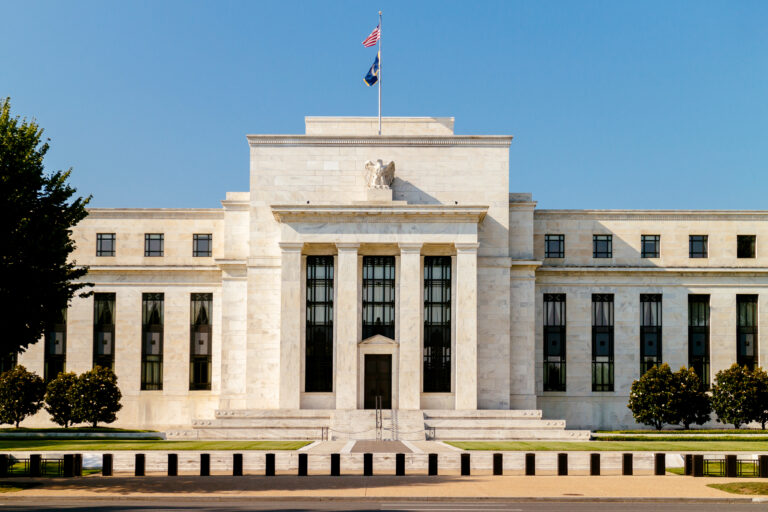
September FOMC Update
FOMC Reduces Fed Funds Target Range by 25 bps
As expected, the Federal Reserve cut the fed funds target range by 25 bps on Wednesday, setting a new target range of 4.00%–4.25%. The decision was nearly unanimous, with only newly appointed Governor Miran dissenting in favor of a larger 50 bp cut.
FOMC Statement
- The Fed emphasized weakness in the labor market, noting that “job gains have slowed” and “downside risks to employment have risen.”
- The Committee said it lowered rates “in light of the shift in the balance of risks”—with the labor market now seen as the primary risk.
Summary of Economic Projections
- The Fed raised GDP growth forecasts, projected a gradual decline in unemployment, and lifted 2026 inflation expectations.
- The median 2025 rate cut projection rose from 50 bps to 75 bps, implying additional 25 bp cuts in both October and December.
- For 2026, projections were unchanged at just 25 bps of easing.
Dot Plot
The Committee remains divided: 10 officials see 50 bps or more of cuts in 2025, while 9 expect 25 bps or less.
Dispersion widened further, with one official forecasting no cuts this year and another projecting as much as 150 bps.
Fed Chair Powell Press Conference
- Chair Powell echoed the statement, citing changes to the labor market and a shifting balance of risks as the main reasons for easing. He also noted that slower labor force growth reflects lower immigration trends.
- On inflation, Powell highlighted that higher tariffs are pushing up prices in some categories, though their broader impact is uncertain.
- Importantly, Powell described today’s move as a “risk management cut” and stressed that future decisions will be made on a meeting-by-meeting basis. This more hawkish tone suggests a measured pace of rate cuts.
Markets were volatile throughout the session, as today’s FOMC meeting offered something for everyone. Following the official statement, Treasury yields moved lower and risk assets rallied. However, sentiment shifted after Chair Powell described the move as a “risk management cut,” prompting a reversal. Treasury yields from the 2-year out rose, while equities ended mixed: the Dow eked out a gain, but the S&P 500 and Nasdaq closed lower.


Please click here for disclosure information: Our research is for personal, non-commercial use only. You may not copy, distribute or modify content contained on this Website without prior written authorization from Capital Advisors Group. By viewing this Website and/or downloading its content, you agree to the Terms of Use & Privacy Policy.