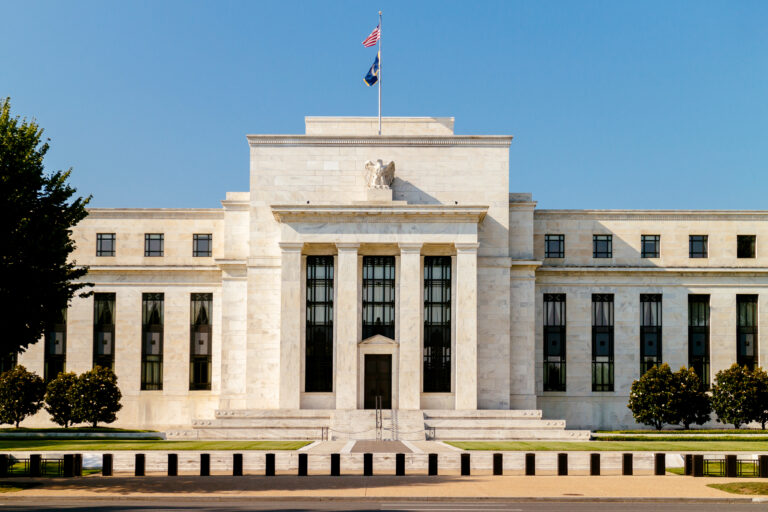
How Long Will the Fed Stay in a Holding Pattern?
After three interest rate cuts since July, the Fed signaled last month that it finally expects to take a breather, with no more moves for a while. But that only means we have to start wondering what may come next. Will the recent spate of positive economic news prompt the Fed to reverse course and increase rates again? Not necessarily. In fact, the futures market has placed more than 50% odds on an additional rate reduction by the middle of next year. Our November white paper— Three and Done? Implications for Institutional Cash Portfolios—explains why.
The Fed’s preemptive reductions since last summer countered warnings of an economic slowdown. They may have helped contribute to continued reports of economic growth, last month’s unexpectedly strong jobs report, and recent record highs in the stock market. The Fed seems comfortable that it hit the “pause” button at just the right time, when the economy is in good enough shape to continue delivering very high employment rates with very low inflation. But it’s also very aware of clouds on the horizon. Stop-and-start negotiations with China have made a trade deal elusive. Global growth has been unimpressive and U.S. inflation has remained stubbornly shy of the Fed’s 2% target.
So now is a good time for institutional liquidity investors to reconsider their investment decisions. There may be opportunities to find additional yield without undue sacrifice in credit and liquidity risk. If the economy does still face more headwinds than tailwinds, the possibility of further rate cuts may warrant some portfolio readjustment. For instance, with the yield curve no longer inverted, there may be incentive to reinvest out on the curve.
However, timing investment decisions around expectations of a Fed move in either direction can be a fool’s game. And, given the continuation of a low rate environment, growing credit risks argue for more selective credit decisions. In other words, proceed with caution. The Fed may be taking a breather, but that doesn’t mean you should, too. Liquidity management from diversified sources should always be a top priority for institutional cash investors. So, take the time you need to get up to speed with the new normal, and take a hard look at your cash portfolio. You can start by downloading this month’s research report today.
Best Regards,
Ben Campbell
CEO
Please click here for disclosure information: Our research is for personal, non-commercial use only. You may not copy, distribute or modify content contained on this Website without prior written authorization from Capital Advisors Group. By viewing this Website and/or downloading its content, you agree to the Terms of Use & Privacy Policy.